
NOM-163 sets energy-efficiency and CO₂ emission standards for new light-duty vehicles (400–3,857 kg) including gasoline, diesel, hybrid, plug-in, and fuel-cell models, effective July 2, 2024, for model years 2025–2027.

Thailand expanded mandatory EV standards in July 2026, approving five new TIS to strengthen its regulatory ecosystem and reinforce its role as ASEAN’s automotive hub.
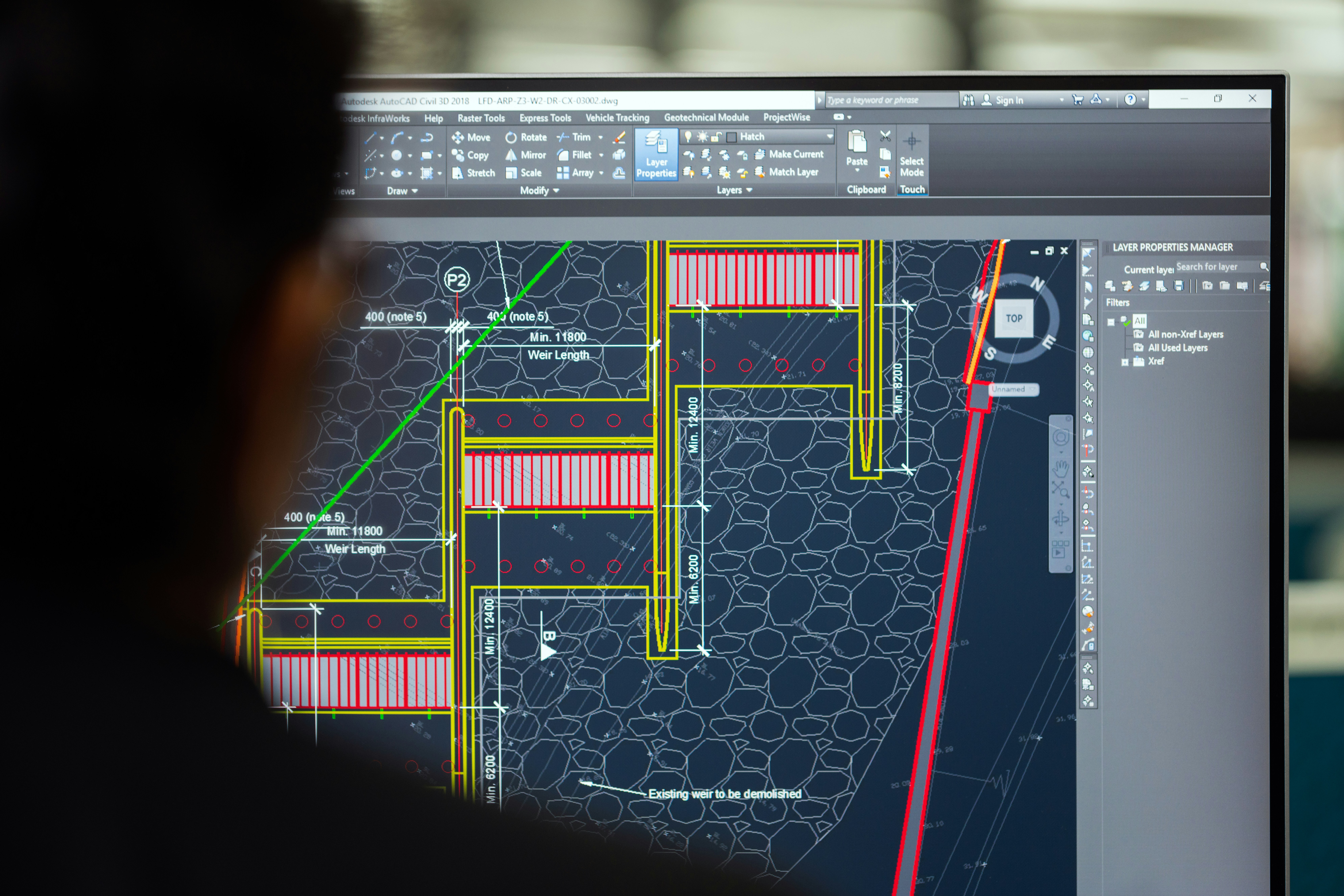
INMETRO certification requires compliance with Ordinance 501/2021, focusing on process control, testing, calibration, material, and product consistency. The five-phase process includes product classification, appointing a local responsible entity, and submitting technical documents.

China’s mandatory GB 44721—2026 standard for L3/L4 automated driving takes effect July 1, 2027, requiring all new M/N-class vehicles to comply for market access.

Brazil’s complex, region-specific traffic regulations pose compliance challenges for Chinese automakers. ARC Group and Shanghai Jiao Tong University hosted a Shanghai seminar with experts and OEMs like MG and Xiaomi to clarify Brazil’s regulatory landscape and support market entry.


Long Press to Scan QR Code
Scan QR Code


